
Nigeria, the most populous nation in Africa, has long struggled with electricity supply challenges, including frequent power outages, inadequate infrastructure, insufficient investment, energy theft, and inefficient distribution networks. More recently, the country has been plagued with incessant national grid collapse (105 in the last nine years) leading to blackouts across the nation. Despite these setbacks, energy companies are actively working to mitigate these challenges and improve electricity supply across the country.
In 2023, while speaking at an event, the Executive Director of Research and Advocacy at the Association of Nigerian Electricity Distributors (ANED), Mr. Sunday Oduntan highlighted Nigeria’s significant electricity deficit. He stated, “They say we have a population of 210 million and about 32 million households are connected to the grid. Nigeria has a heavy deficit. The rule of thumb all over the world on the production of electricity says you do 1,000 MW per one million population for people to have uninterrupted electricity. So, with 32 million people having access to electricity, meaning they are connected to an electricity source, you need to generate 32,000 MW. Today in Nigeria, what we produce is 4,000 MW. So, we need 32,000 MW to ensure a stable electricity supply to every household connected to the grid”, Punch Newspaper.
His remarks underscore the vast gap in Nigeria’s power generation capacity as more households connect to the national grid and as demand rises due to the growth of industries, as well as the growing adoption of electric vehicles.
How Transcorp Plc is bridging the power supply gap in Nigeria
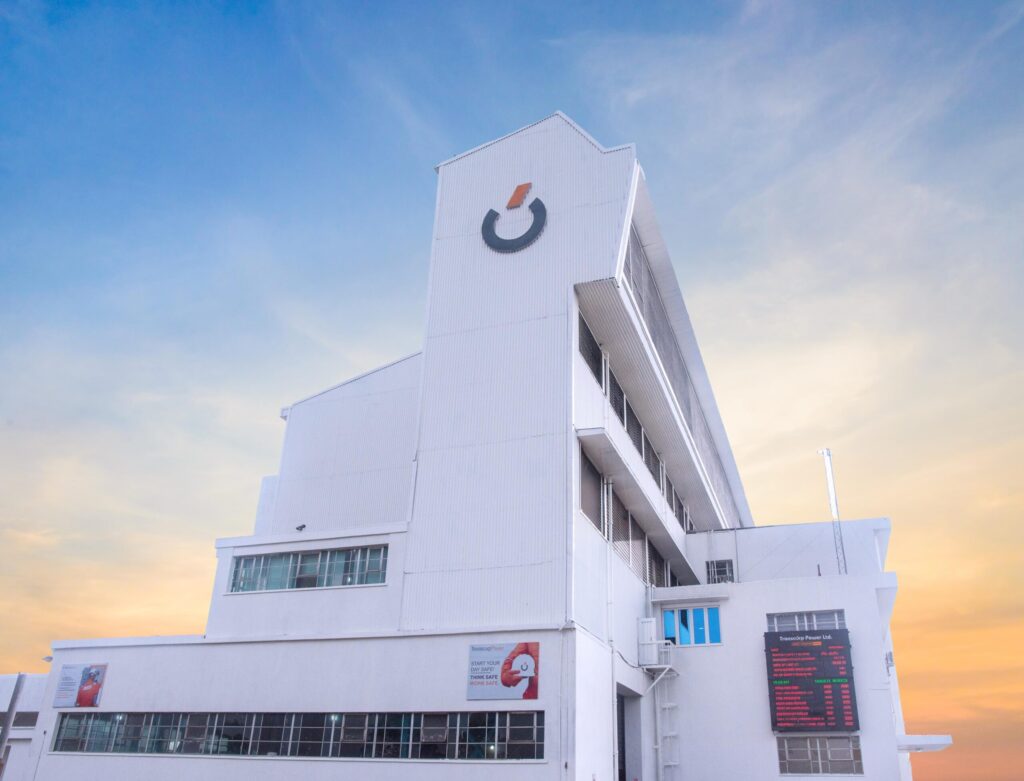
In a view to mitigate the challenges experienced in the power sector in Nigeria, subsidiaries of leading conglomerate Transnational Corporation Plc (Transcorp) – Transcorp Power plc and TransAfam Power Limited have emerged as key players in the power sector in Nigeria through various initiatives:
- Investment in Infrastructure: Transcorp Power PLC recently reintegrated two turbines into the national grid. The return of the turbines – GT9 and GT20, previously out for refurbishment, has increased Transcorp Power’s generating capacity to 625 MW.
- Expansion of capacity: Despite facing gas supply constraints, especially at its plant in Afam, Rivers State, Transcorp remains committed to increasing its power generation capabilities through strategic investments and partnerships aimed at ensuring long-term sustainability.
- Investor Engagement and value creation: Transcorp Power’s recent listing on the Nigerian Exchange Limited has attracted new investors, diversified shareholder base, and enhanced capital-raising options. This development is expected to drive further investments in power generation and infrastructure, while returning value to shareholders.
- Community Impact Initiatives: Transcorp and its subsidiaries actively engage in corporate social responsibility projects that positively impact local communities, reinforcing its position as a responsible corporate citizen.
The future of power in Nigeria
With the Nigerian government’s renewed commitment to increasing energy generation and a projected CAGR of 4.28% from 2025 to 2030, according to Market Intelligence and Advisory Firm, Mordor Intelligence, optimism is growing about the nation’s path to a stable power supply. Transcorp Plc’s continued investment in the power sector in Nigeria, signals a promising trajectory for the sector. Nigeria may finally be close to bridging its electricity gap, and this could drive substantial economic growth for our dear nation.